Areas / Hurlingham
Architects and Engineers in Hurlingham
Contemporary architecture and engineering for Hurlingham's Georgian and Victorian riverside homes, from first feasibility to a finished project.
Living and Building in Hurlingham
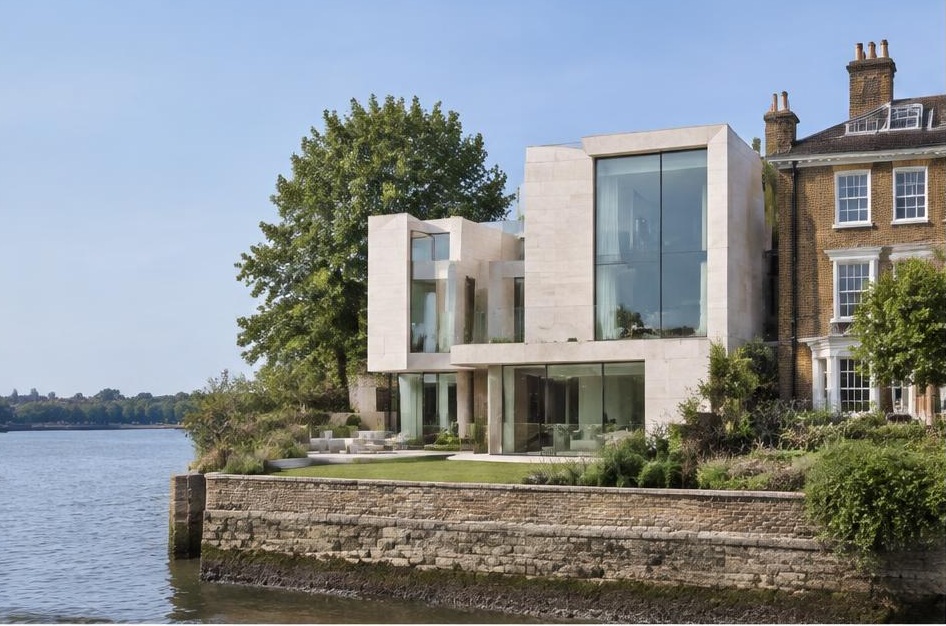
Fulham's riverside became a popular retreat for London's wealthy from the eighteenth century, with the Georgian mansion Hurlingham House, now at the heart of the famous Hurlingham Club, standing as the grandest survivor of that era.
DiagramX brings confident, architect-led thinking, spanning AEC (Architecture, Engineering and Construction), to this quietly prestigious stretch of riverside, where a contemporary extension to the Club itself shows how boldly modern design can sit alongside genuine Georgian heritage.
Planning in Hurlingham
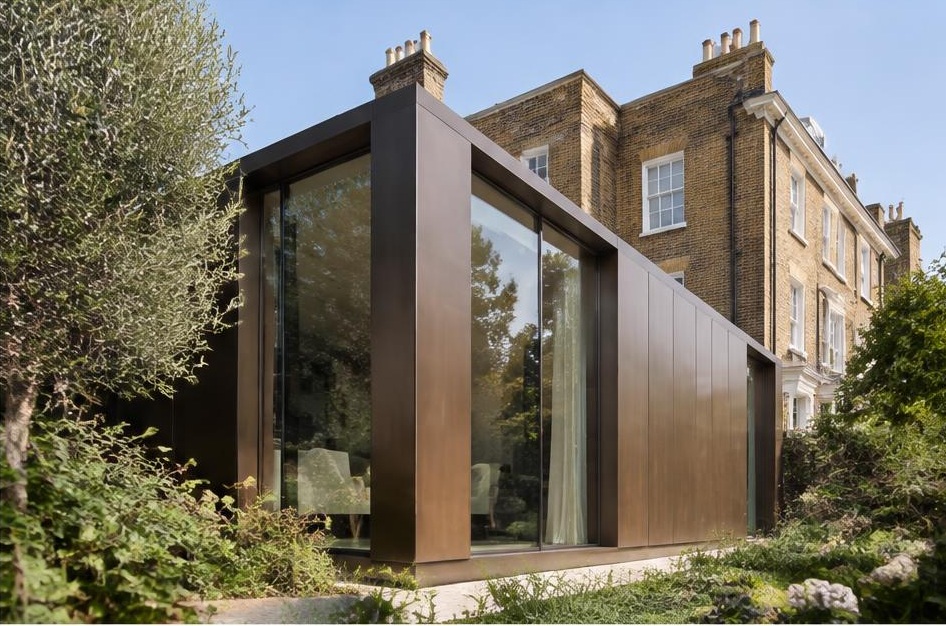
The Hurlingham Conservation Area, extended twice since its original designation, protects the area's riverside Georgian and Victorian character, while the Hurlingham Club grounds themselves fall within the Thames Policy Area and are designated for nature conservation.
Projects here often require careful navigation of overlapping heritage and environmental protections.
Refurbishing in Hurlingham
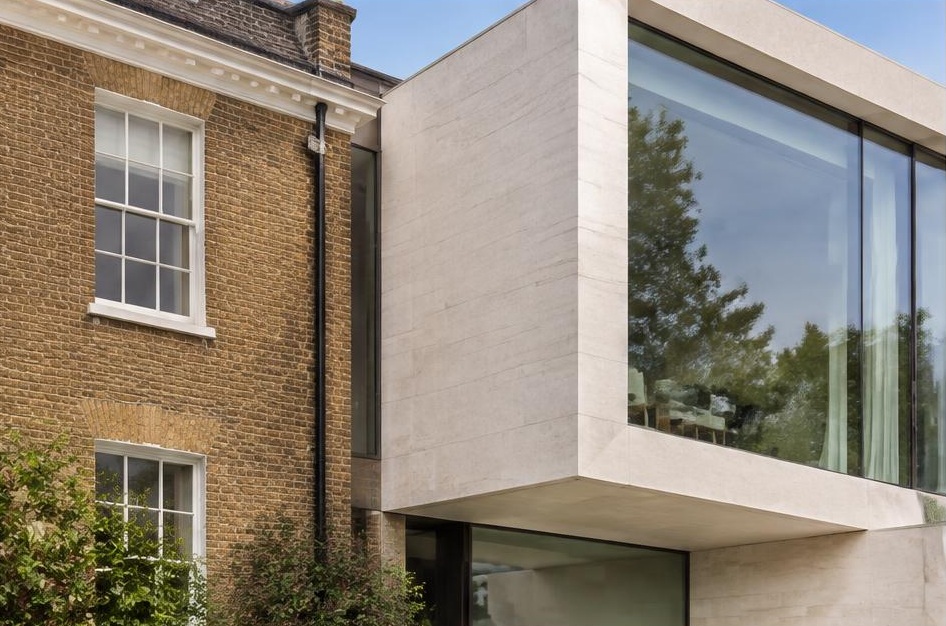
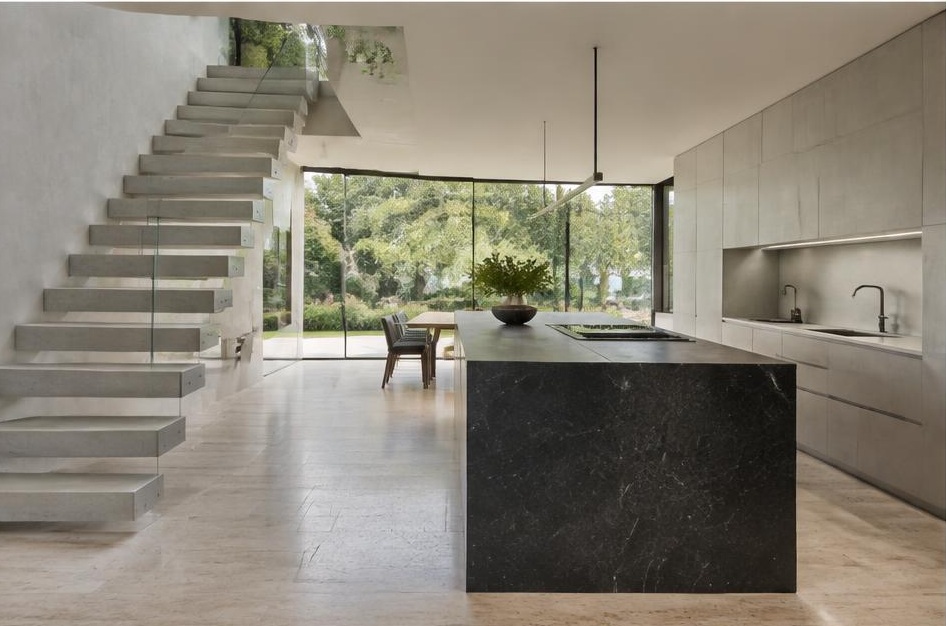
Behind Georgian and Victorian riverside facades, DiagramX strips away dated, compartmentalised layouts in favour of bold, minimalist space where the finished result is unmistakably the main event.
Period brickwork stays exactly as it was from the street, while what emerges inside is confidently, unapologetically contemporary.
Construction in Hurlingham
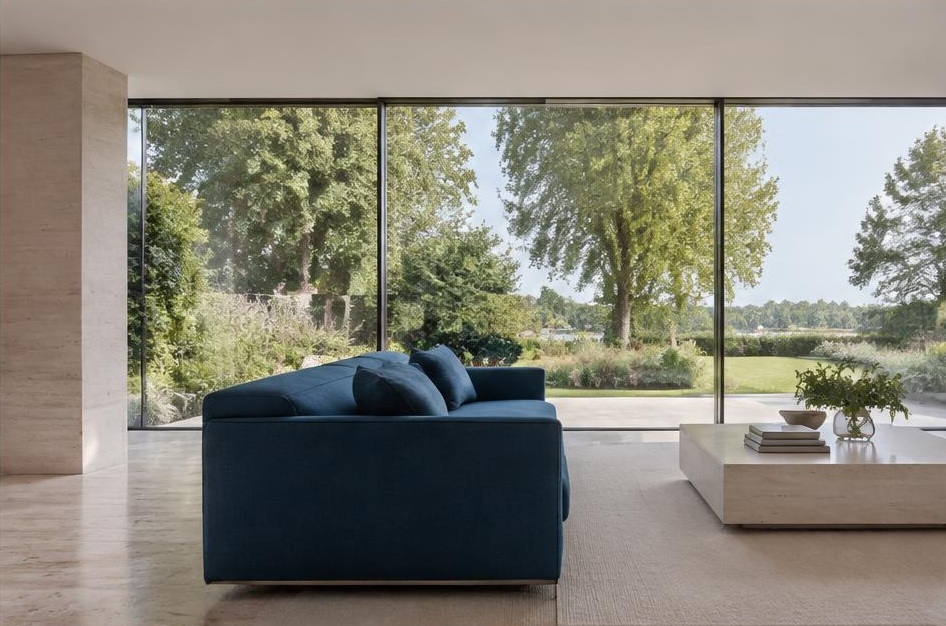
Riverside access constraints, conservation area restrictions, and the proximity of protected open ground make sequencing and considerate construction essential on nearly every scheme here.
DiagramX runs structural engineering, waterproofing, and delivery logistics as one coordinated process, respecting Hurlingham's riverside character while new space takes shape behind it.
Hurlingham: Local Context
Hammersmith and Fulham has 44 conservation areas, including Barons Court, Parsons Green, Walham Green, Moore Park, The Mall and Shepherds Bush, and around 500 listed structures. Article 4 directions apply in places, and since April 2018 the council has required planning permission for basement excavation. For a period home here, the first questions are usually whether the building is listed, which conservation area it sits in, and what the basement policy allows.
What We Help With in Hurlingham
- Basement feasibility tested against the council's basement policy and Article 4 directions
- Extensions and refurbishment of period houses in conservation areas
- Listed building applications and heritage statements
- Checking Article 4 directions and conservation area status before design
- Structural and MEP design coordinated with the architecture
- Building regulations drawings and CDM 2015 compliance
Frequently Asked Questions
- Do I need planning permission for a basement in Hammersmith and Fulham?
- Since April 2018, Article 4 directions have required planning permission for basement excavation here, where it could previously be done under permitted development. The Local Plan's basement policy (DC11) says a basement should be one storey, should not extend further than 50% of the depth of the garden, and needs at least one metre of soil above any part beneath a garden. A construction method statement from a qualified engineer must accompany the application. We test a site against these limits before design.
- Could a conservation area or Article 4 direction limit my plans?
- Hammersmith and Fulham has 44 conservation areas, and Article 4 directions apply to some properties and streets. A direction can remove permitted development rights, so work that would normally not need an application may need one. Check the council's information for your address before you change anything.
- Is my building listed?
- Historic England has designated around 500 listed structures in the borough, some of them not buildings, such as cast iron bollards, pillar boxes and telephone kiosks. If your home is listed you need listed building consent for work that affects its character. Check the National Heritage List for England before design starts.
Our lead architect is registered with the Architects Registration Board (ARB No. 080596C).
See our full range of services, browse the other areas we cover, or contact us to discuss your project.